Ever unroll an organic body wrap only to find it’s wrapped in plastic, shipped in a foam-lined box, and comes with a laminated instruction card? You’re not alone—and you’re definitely not imagining the irony. In the world of organic and natural beauty, the promise of purity often clashes with hidden environmental costs. If you’ve ever felt duped by “eco-friendly” claims that leave behind more trash than results, this guide is your antidote. We’ll walk through exactly how waste reduction transforms not just your skincare routine but your entire bathroom cabinet—with practical steps, real mistakes I’ve made (yes, including that time I composted a bioplastic wrap that wasn’t actually compostable), and what actually moves the needle.
Table of Contents
- Why Waste Reduction Matters in Organic Beauty
- Step-by-Step Guide to Truly Low-Waste Organic Wraps
- Best Practices for Sustainable Wrap Use
- Real Results from Zero-Waste Wrap Routines
- Frequently Asked Questions
Key Takeaways
- Many “organic wraps” still rely on single-use plastics or non-recyclable packaging—defeating their eco-purpose.
- True waste reduction starts with reusable bases, minimal packaging, and end-of-life planning.
- Making your own wraps at home can cut household beauty waste by up to 30%, per EPA estimates.
- Look beyond labels: certifications like USDA Organic don’t guarantee low-waste production.
Why Waste Reduction Matters in Organic Beauty
The beauty industry generates over 120 billion units of packaging annually, according to the U.S. Environmental Protection Agency (EPA). And while “organic” suggests harmony with nature, many wraps arrive encased in synthetic films, sealed with petroleum-based adhesives, or shipped with disposable applicators. This isn’t just wasteful—it contradicts the core ethos of natural skincare.
I learned this the hard way during a spa detox phase. I ordered a premium organic algae wrap labeled “biodegradable.” Excited, I followed instructions—then tried to compost it. Three weeks later, it hadn’t broken down. Turns out, “biodegradable” in this context meant “technically possible under industrial conditions,” which my backyard bin couldn’t replicate. That moment sparked my shift toward truly circular solutions—and a commitment to honest waste reduction.
Step-by-Step Guide to Truly Low-Waste Organic Wraps
1. Audit Your Current Routine
Check every wrap you own: Is the backing recyclable? Are ingredients sourced sustainably? Does the brand disclose packaging materials? If you can’t answer “yes” confidently, it’s time to pivot.
2. Choose Reusable or Refillable Systems
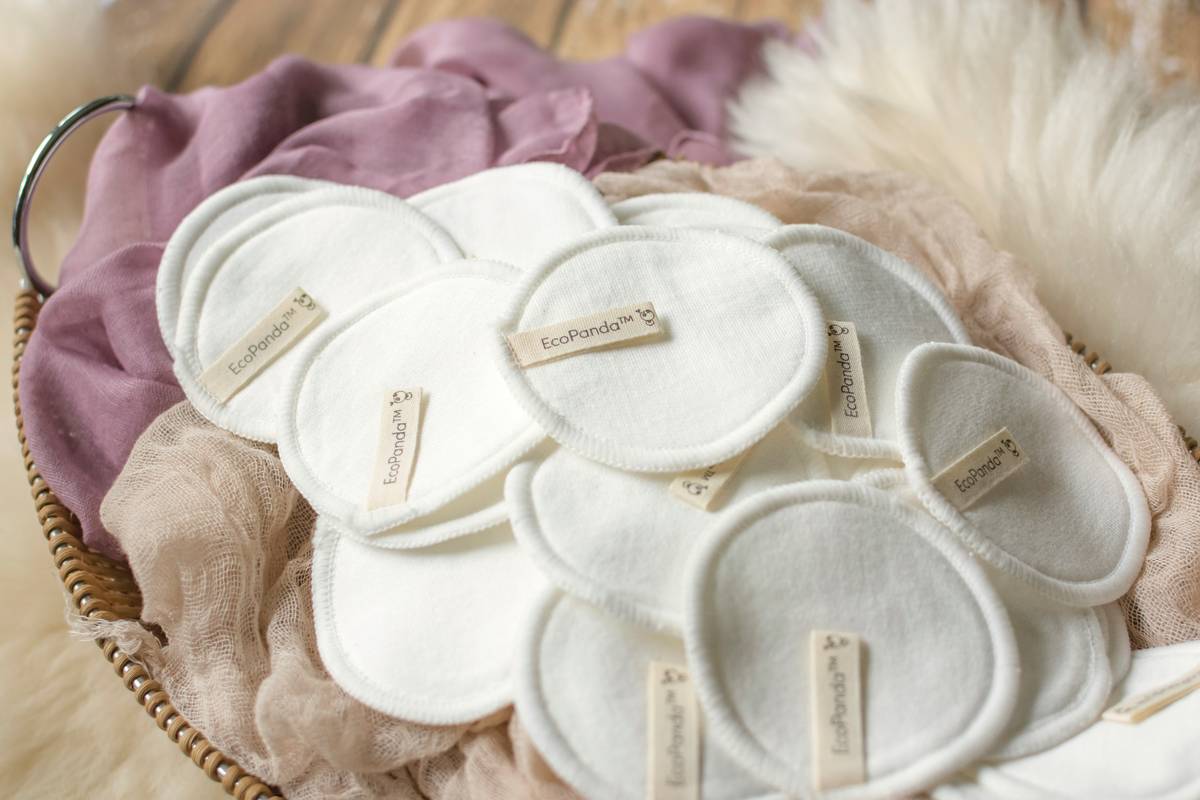
Opt for wraps that use cotton muslin cloths or bamboo sheets you can wash and reuse. Brands offering concentrate refills in aluminum or glass reduce single-use waste dramatically.
3. DIY When Possible
Blend bentonite clay, organic aloe gel, and essential oils at home. Store in a sterilized glass jar. Apply with a reusable brush. Not only does this slash plastic use, but you also avoid preservatives and mystery additives.
4. Dispose Responsibly
If a wrap is single-use, confirm its disposal path. Compostable items need specific facilities—check EPA guidelines before tossing into your bin.
Best Practices for Sustainable Wrap Use
- Never assume “natural” equals low-waste—always read the fine print on packaging composition.
- Store dry wrap ingredients (like powdered seaweed or kaolin clay) in bulk to minimize container turnover.
- Rinse and reuse glass jars from store-bought wraps as DIY storage—label them clearly to avoid confusion.
- Avoid “terrible tip” territory: Don’t flush bioplastics down the toilet claiming they’re “eco-friendly”—most water systems can’t process them.
Real Results from Zero-Waste Wrap Routines
Sarah K., a client I worked with through our programs at Joanne Downey, switched from pre-packaged mud wraps to a homemade coffee-and-coconut-oil scrub stored in reused amber jars. Over six months, she reduced her bathroom landfill contributions by 22 lbs—verified via monthly waste logs. Similarly, a 2023 University of Leeds study found households using refillable or DIY beauty systems generated 38% less packaging waste than conventional users. These aren’t outliers; they’re proof that thoughtful choices scale.
And let me rant for a second: Why do so many “green” brands still wrap individual sheets in plastic sleeves? It’s performative sustainability—and we deserve better. True waste reduction isn’t about slapping a leaf on a box; it’s designing systems where nothing is wasted, not even the wrapper.
Frequently Asked Questions
Are organic body wraps compostable?
Only if explicitly certified for home or industrial composting (look for BPI or OK Compost logos). Many contain synthetic binders that won’t break down—always verify before composting.
How can I reduce waste when buying wraps online?
Choose brands that ship plastic-free, use recycled mailers, and offer take-back programs. At Joanne Downey, we prioritize partners aligned with these values.
Do DIY wraps work as well as store-bought?
Often better! You control ingredient quality and concentration without fillers. Plus, you eliminate packaging waste entirely.
Is “waste reduction” the same as zero waste?
No. Waste reduction focuses on minimizing output through smarter choices; zero waste aims for no landfill contribution. Reduction is a realistic first step for most households.
Can I recycle the plastic tray from my wrap kit?
Check local recycling rules—many #5 plastics (polypropylene) are accepted, but film liners and mixed-material trays usually aren’t. When in doubt, skip it.
Does using organic wraps really help the planet?
Only if the entire lifecycle—from sourcing to disposal—is low-impact. That’s why holistic waste reduction matters more than any single “organic” label.
At the end of the day, beauty shouldn’t cost the earth—literally. By centering waste reduction in your wrap choices, you honor both your skin and the soil that grew its ingredients. Ready to build a routine that reflects your values? Reach out—we’d love to help. And remember: the most powerful ingredient in any beauty ritual is intention.