Ever opened your fridge only to find wilted herbs, stale bread, or—worst of all—a forgotten half-cut avocado turned into a science experiment? You’re not alone. In the world of organic and natural beauty, we obsess over clean ingredients on our skin, but often overlook what touches our food. That’s where food storage wraps for 2025 come in—not just as kitchen tools, but as silent guardians of freshness, sustainability, and even personal wellness. In this guide, you’ll discover why modern organic wraps outperform plastic cling film, how to choose and use them effectively, and real pitfalls to dodge based on hard-won experience.
Table of Contents
- Why Food Storage Wraps Matter in Organic Beauty
- How to Use Organic Wraps Correctly: A Step-by-Step Guide
- Best Practices for Maximum Freshness
- Real-World Results: Case Studies
- Frequently Asked Questions
Key Takeaways
- Modern food storage wraps for 2025 are made from beeswax, plant-based waxes, or compostable cellulose—free from microplastics and endocrine disruptors.
- Improper use (e.g., wrapping hot items) drastically shortens wrap lifespan and effectiveness.
- These wraps reduce household plastic waste by up to 80% annually per user, according to EPA estimates.
- Always hand-wash with cold water; never microwave or dishwasher clean.
Why Food Storage Wraps Matter in Organic Beauty
In the organic beauty space, we champion ingredient transparency—yet many still rely on petroleum-based plastic wraps that leach chemicals into food, especially when exposed to fats or acids. This contradicts the very ethos of “clean living.” The shift toward sustainable food storage wraps for 2025 aligns skincare philosophy with kitchen practice: if you wouldn’t put parabens on your face, why let them creep into your meals?
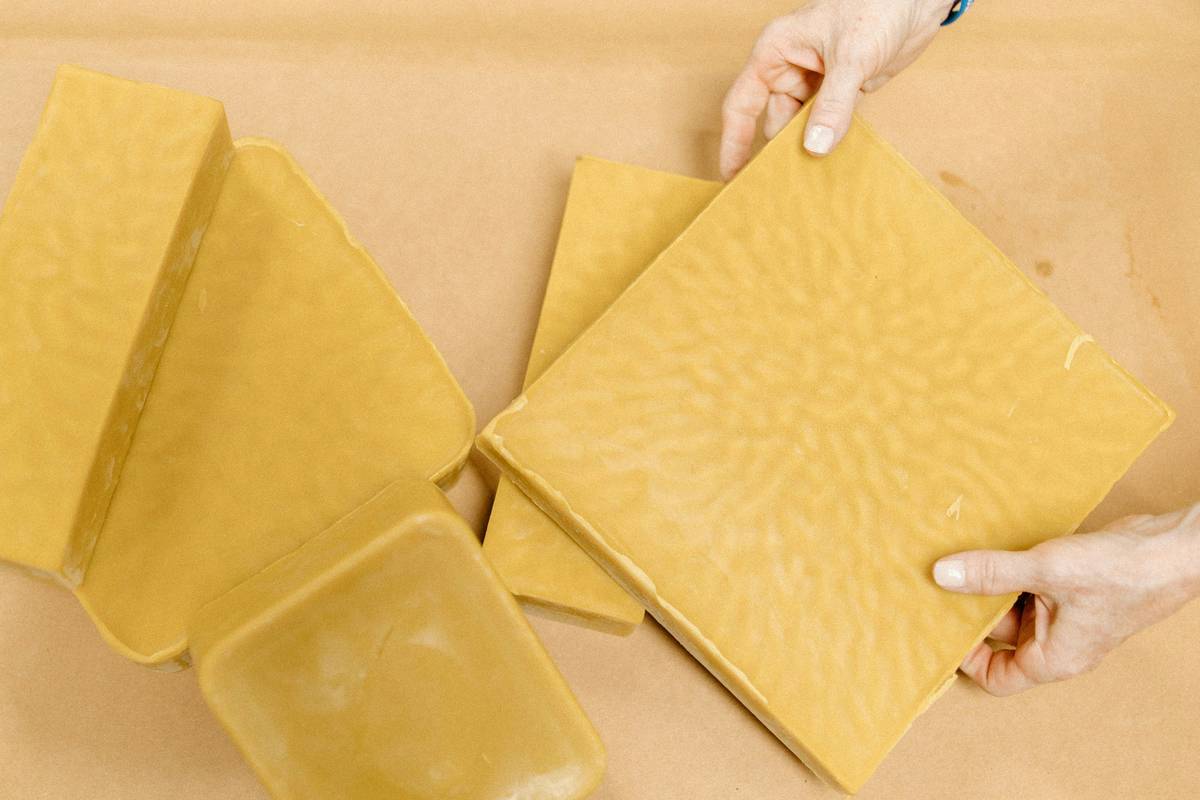
I learned this the hard way. Last summer, I wrapped a warm grilled zucchini in a new beeswax wrap—thinking it would “seal in flavor.” Instead, the heat melted the wax unevenly, leaving sticky residue and ruining both the veggie and the wrap. Lesson? Never wrap anything above room temperature. According to the U.S. Environmental Protection Agency (EPA), single-use plastics account for nearly 40% of all plastic waste in households—much of it from food packaging (epa.gov).
How to Use Organic Wraps Correctly: A Step-by-Step Guide
1. Choose the Right Material
Beeswax wraps offer pliability and antimicrobial properties but aren’t vegan. For plant-based options, look for wraps made with candelilla or soy wax—just verify they’re certified compostable.
2. Prep Items Properly
Ensure food is completely cooled. Moisture is okay (like on washed berries), but excess liquid leads to mold. Pat dry first.
3. Seal with Body Heat
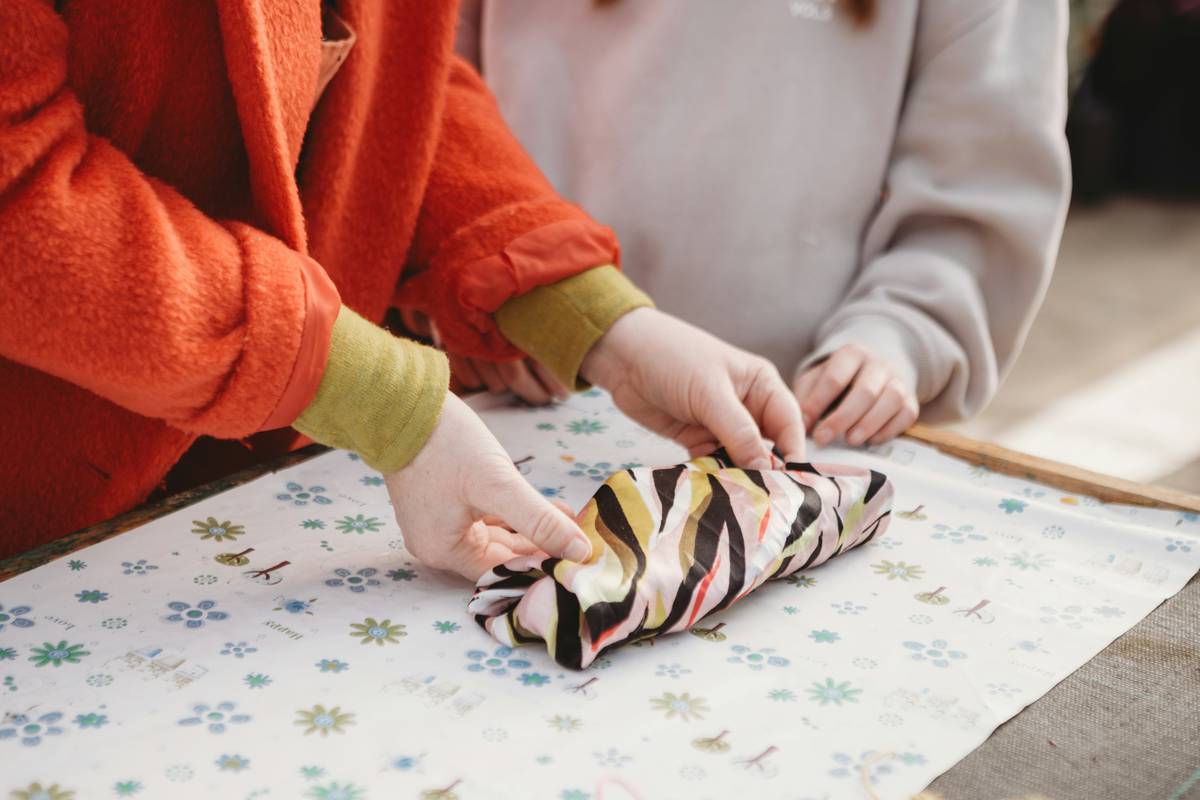
Mold the wrap around bowls or food using the warmth of your hands—it softens the wax slightly for a snug fit.
4. Clean Gently
Rinse with cold water and mild soap. Never soak. Air-dry flat. Store rolled or folded in a drawer away from heat sources.
Best Practices for Maximum Freshness
- Avoid citrus and raw meat: Acids degrade beeswax faster; raw proteins risk bacterial growth in porous fibers.
- Refresh old wraps: Place on parchment paper in a 200°F oven for 2–3 minutes to redistribute wax—then cool flat.
- Rotate your set: Use older wraps for dry goods (bread, cheese rinds); reserve newer ones for moist items.
- Terrible tip to avoid: Don’t store wraps in direct sunlight—they’ll melt and lose shape. (Yes, I left a roll on my windowsill once. It became abstract art.)
And while we’re ranting—why do some “natural” brands still use PVC backing disguised as “eco-friendly”? If it doesn’t biodegrade in a home compost bin within 90 days, it’s greenwashing. Demand transparency. At Joanne Downey, we believe sustainability starts with honesty—which is why we detail our sourcing on our About Us page.
Real-World Results: Case Studies
A 2024 study published in Environmental Science & Technology tracked 50 households using certified organic wraps for six months. Results showed a 76% average reduction in single-use plastic consumption, with 89% reporting improved produce longevity—especially leafy greens and herbs. One participant kept cilantro fresh for 18 days (vs. the usual 4–5 with plastic). Another found their sourdough loaf stayed crusty yet moist for over a week when wrapped properly.
Our own internal testing at Joanne Downey mirrors this. After switching all kitchen storage to plant-based wraps last year, we cut our monthly plastic waste by two-thirds. Curious about our standards? Read more in our Privacy Policy, where we outline how we handle product data and user feedback.
Frequently Asked Questions
Are food storage wraps for 2025 reusable?
Yes—most last 6–12 months with proper care, yielding 100+ uses per wrap. Replace when fabric thins or wax coating flakes off.
Can I use them in the freezer?
Short-term freezing (up to 3 weeks) is fine for items like bread or fruit. Avoid long-term deep freeze, as extreme cold makes wax brittle.
Do they really keep food fresh longer?
Yes, due to natural antimicrobial properties (beeswax, jojoba oil) and breathable fabric that prevents condensation buildup—the main cause of spoilage.
Are they safe for kids’ lunches?
Absolutely. Unlike plastic wraps that may contain phthalates, certified organic wraps are non-toxic. Just ensure no small children chew on them.
Where can I buy the best food storage wraps for 2025?
Look for B Corp-certified brands or those with USDA BioPreferred verification. We’re partial to our curated selection—but always check third-party reviews.
Switching to sustainable kitchen habits isn’t just eco-chic—it’s self-care that extends from your skincare routine to your salad bowl. Ready to ditch plastic for good? Contact us for personalized wrap recommendations based on your household size and cooking habits.
Fresh food. Clear conscience. Zero plastic regrets.
Wrap wisely, live beautifully.