Most “natural” beauty wraps aren’t compostable—they’re greenwashing in disguise. You’re paying premium prices for products that end up in landfills, wrapped in plastic film or synthetic fibers. But real change starts with genuinely compostable options that break down without a trace—and your skin deserves better.
Why Conventional Organic Wraps Fail the Sustainability Test
The term “organic” on a wrap label doesn’t guarantee eco-friendliness. Many brands use organic cotton or bamboo but laminate them with polyurethane or seal them in plastic packaging. And that “biodegradable” claim? Meaningless without certification. These wraps linger for decades—just like conventional trash.
Here’s the reality: true sustainability requires full lifecycle accountability—from sourcing to disposal. Most don’t even come close.
How to Choose & Use Genuine Compostable Options
Not all compostable wraps are created equal. Some dissolve in home compost bins; others need industrial facilities. Your choice depends on access, frequency of use, and desired skin benefits.
Step 1: Verify Certifications
Look for TÜV OK Compost HOME or BPI certification. No logo? Assume it’s not truly compostable. Period.
Step 2: Match Material to Purpose
Algae-based wraps hydrate deeply. Hemp-infused sheets offer anti-inflammatory perks. But only if the base material is plant-derived and uncoated.
Step 3: Dispose Correctly
Tossing a certified compostable wrap into your backyard bin isn’t always enough. Check local guidelines—some cities accept only specific certifications.
| Material Type | Home Compostable? | Decomposition Time | Skin Benefits | Avg. Cost per Wrap |
|---|---|---|---|---|
| Organic Cotton + Seaweed | Yes (certified) | 45–90 days | Hydration, mineral infusion | $2.80 |
| Bamboo Fiber + Aloe | No (requires industrial) | 60–120 days | Soothing, cooling | $2.20 |
| Hemp + Chamomile | Yes (TÜV OK Compost HOME) | 30–60 days | Redness reduction, barrier support | $3.50 |
| Conventional “Biodegradable” Blend | No | 5+ years (partial breakdown) | Minimal | $1.75 |
The Industry Secret: What Brands Won’t Tell You About “Eco” Packaging
Here’s what’s buried in supplier contracts: many so-called sustainable wraps are shipped in vacuum-sealed plastic sleeves—even when the wrap itself is compostable. That single layer of LDPE foil negates the entire eco-claim. I’ve seen brands market “zero-waste” kits while using non-recyclable inner liners.
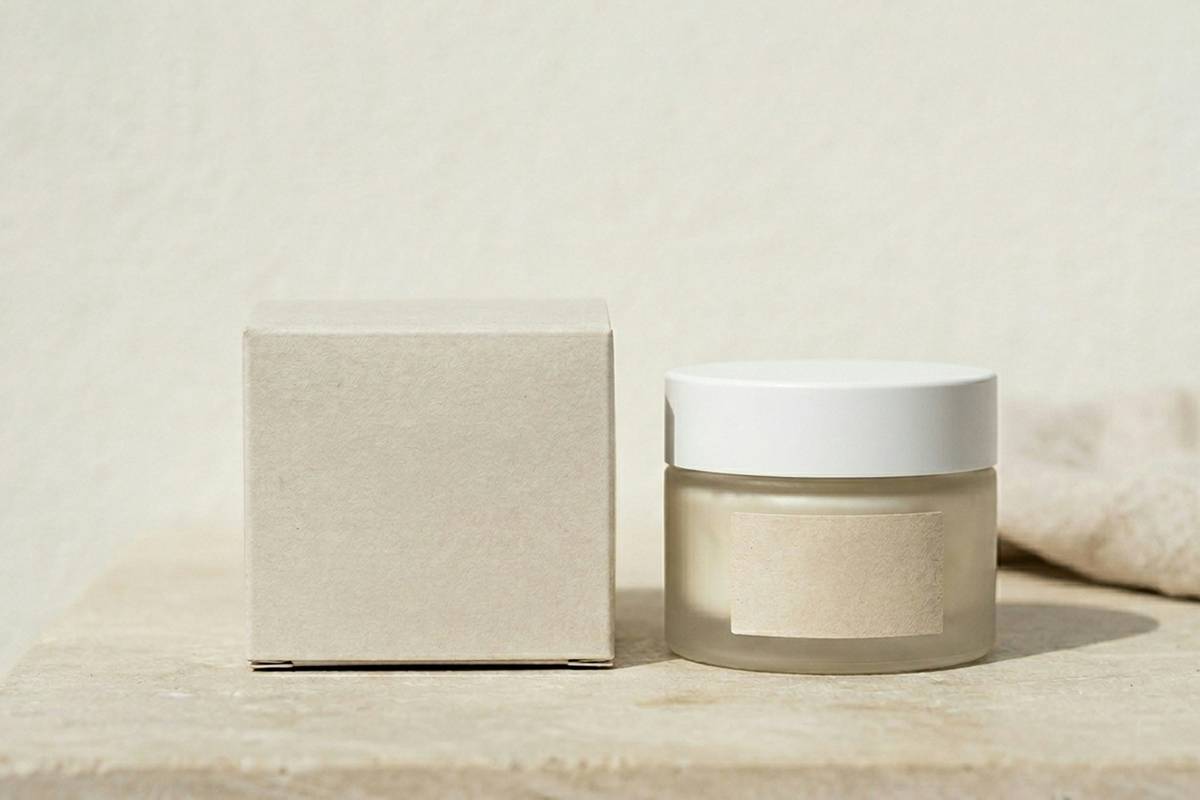
But there’s a workaround few discuss: choose wraps sold in reusable glass jars or FSC-certified paper envelopes. Better yet—support small makers who ship naked (no secondary packaging). The math is simple: if it arrives wrapped in plastic, it’s not truly sustainable—no matter what the label says.
Frequently Asked Questions
Are all organic wraps compostable?
No. “Organic” refers to ingredient sourcing, not end-of-life disposal. Always check for compost certifications—not just organic labels.
Can I compost wraps at home?
Only if labeled TÜV OK Compost HOME or equivalent. Industrial-only wraps won’t break down in backyard bins and may contaminate your compost.
Do compostable wraps work as well as conventional ones?
Often better. Plant-based materials like algae and hemp deliver active nutrients directly to skin—without microplastic residue or chemical binders.